

Mohs Surgery For Skin Cancer
Serving Savannah, GA
Mohs surgery is a precise technique used to treat certain types of skin cancer while preserving as much healthy tissue as possible.
A diagnosis of skin cancer can feel overwhelming, and understanding treatment options is an important step forward. Mohs surgery is a specialized dermatologic procedure designed to remove certain types of skin cancer with a high level of precision, while preserving as much healthy skin as possible.
We offer clear, reliable information about Mohs surgery, including how the procedure works, when it may be recommended by a dermatologist, and what to expect before, during, and after treatment. The goal is to help Savannah patients better understand their diagnosis, feel confident navigating skin cancer treatment options, and have informed conversations with a qualified Mohs surgeon.
Expert Mohs Surgery Precision Care for Healthy Skin Savannah, GA
Comprehensive Mohs Surgery Care: From Diagnosis to Recovery
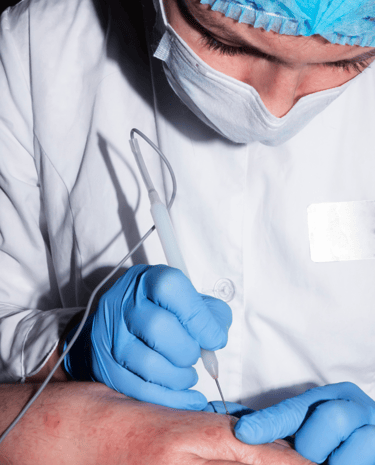
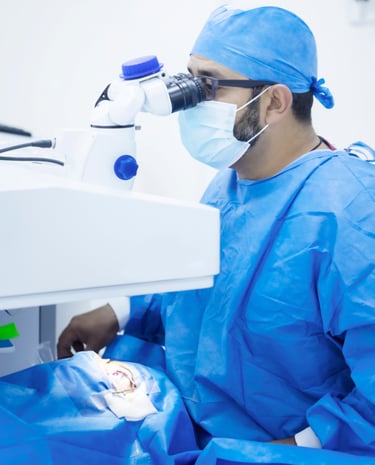


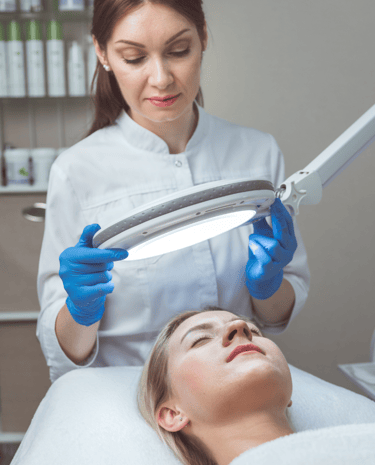
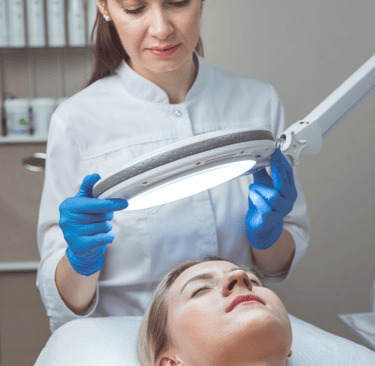
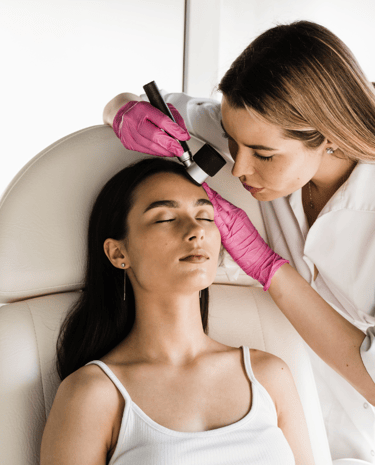
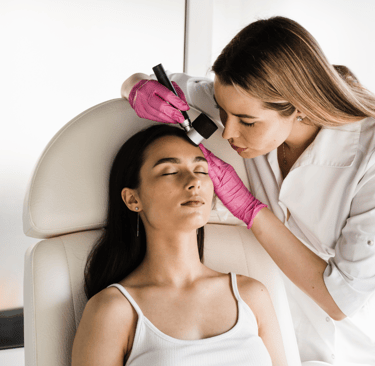
Skin Diagnosis
Mohs Surgery
Cancer Removal
Mohs Reconstruction
Follow-Up Care
What Is Mohs Surgery?
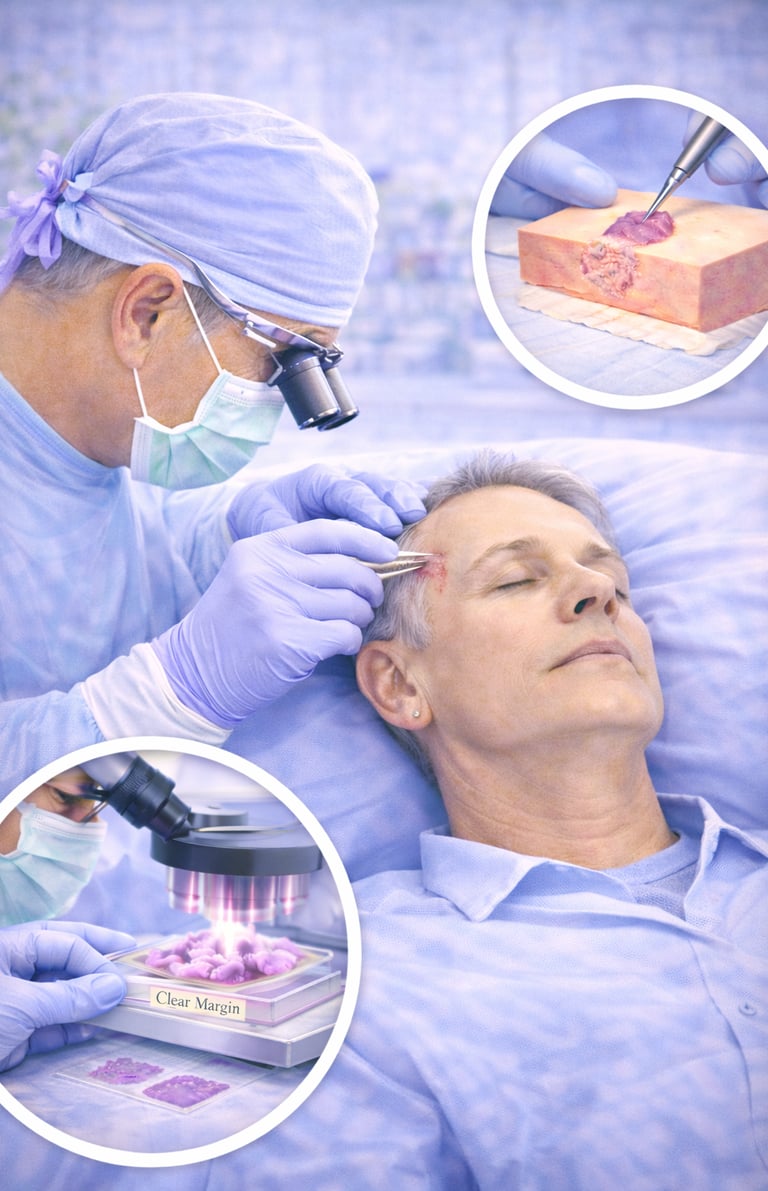
Mohs surgery is an advanced skin cancer treatment known for its precision and high success rates. This specialized dermatologic procedure is designed to remove cancerous tissue while preserving as much healthy skin as possible. It is commonly recommended by dermatologists for certain types of skin cancer, especially in areas where appearance and function matter most.
How Mohs Surgery Works
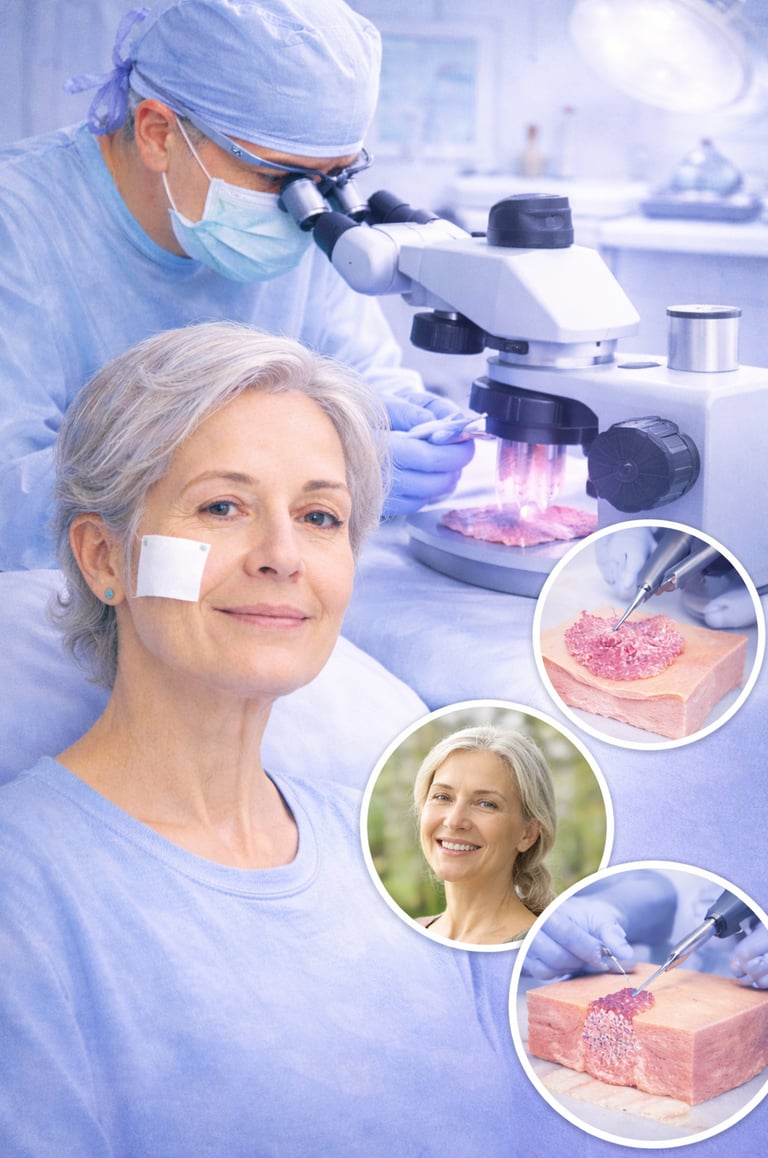
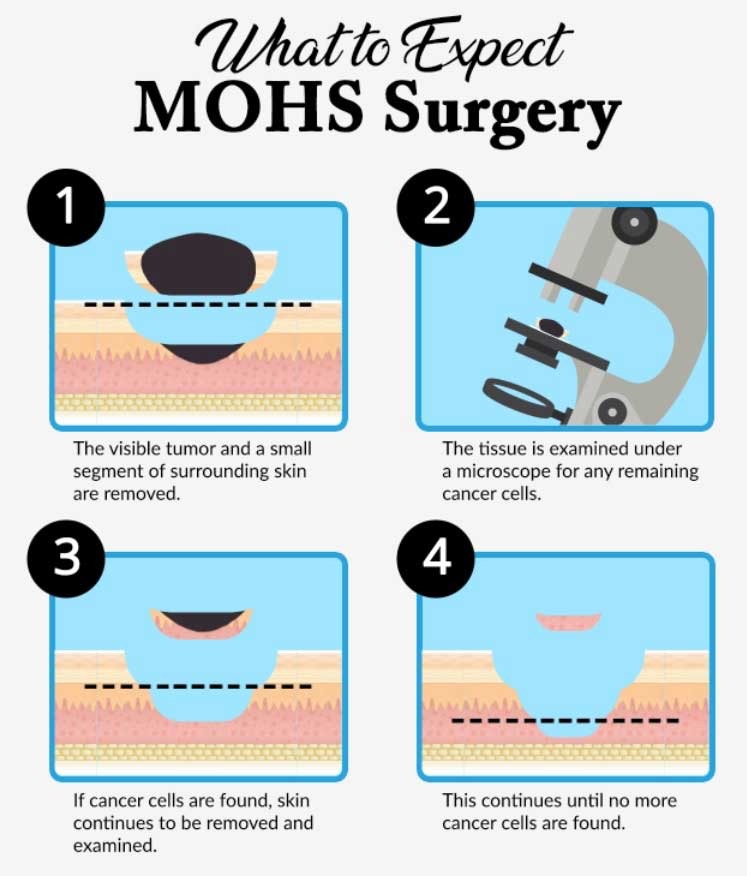
Mohs surgery is performed using a careful, step-by-step process. Cancerous skin is removed in thin layers, and each layer is examined immediately under a microscope. This allows for the identification of any remaining cancer cells before additional tissue is removed.
Some skin cancers may appear small on the surface but extend deeper into the skin or spread along nerves, blood vessels, or cartilage. Mohs surgery is uniquely designed to detect and remove these hidden cancer cells, helping ensure thorough treatment.
By targeting only affected tissue, Mohs surgery helps protect surrounding healthy skin and supports better cosmetic outcomes.
Why Mohs Surgery Is Effective
Because of its detailed, layer-by-layer approach, Mohs surgery offers several important advantages for skin cancer treatment:
High cure rates for many types of skin cancer
Maximum preservation of healthy skin
Lower risk of recurrence
Reduced scarring and improved healing
Mohs surgery is widely recognized as a safe and effective option for treating skin cancer with precision and care.
Benefits of Mohs Surgery
High level of proven success
Mohs surgery has one of the highest cure rates among skin cancer treatments. The microscopic examination of each tissue layer helps ensure all cancer cells are removed, including those that may return after other treatments.
Preserves healthy skin
Because only cancerous tissue is removed, more healthy skin remains intact. This precision often leads to better cosmetic results, especially in visible areas.
Faster recovery
With less disruption to surrounding tissue, many patients experience quicker healing compared to other skin cancer treatments.
Cost-effective over time
Although Mohs surgery may have a higher upfront cost, its accuracy often reduces the need for additional procedures, which can lower overall treatment costs in the long term.
Conditions Treated With Mohs Surgery
Mohs surgery is most commonly used to treat non-melanoma skin cancers, including:
Basal cell carcinoma
The most common form of skin cancer, often found on sun-exposed areas such as the face, ears, neck, and scalp.
Squamous cell carcinoma
A skin cancer that can grow deeper into the skin and spread if not treated early.
Melanoma (select cases)
In certain situations, Mohs surgery may be recommended for melanoma, particularly when it occurs in sensitive areas or returns after prior treatment.
Rare or aggressive skin cancers
Mohs surgery is also effective for less common or aggressive skin cancers that may be difficult to treat with standard methods.
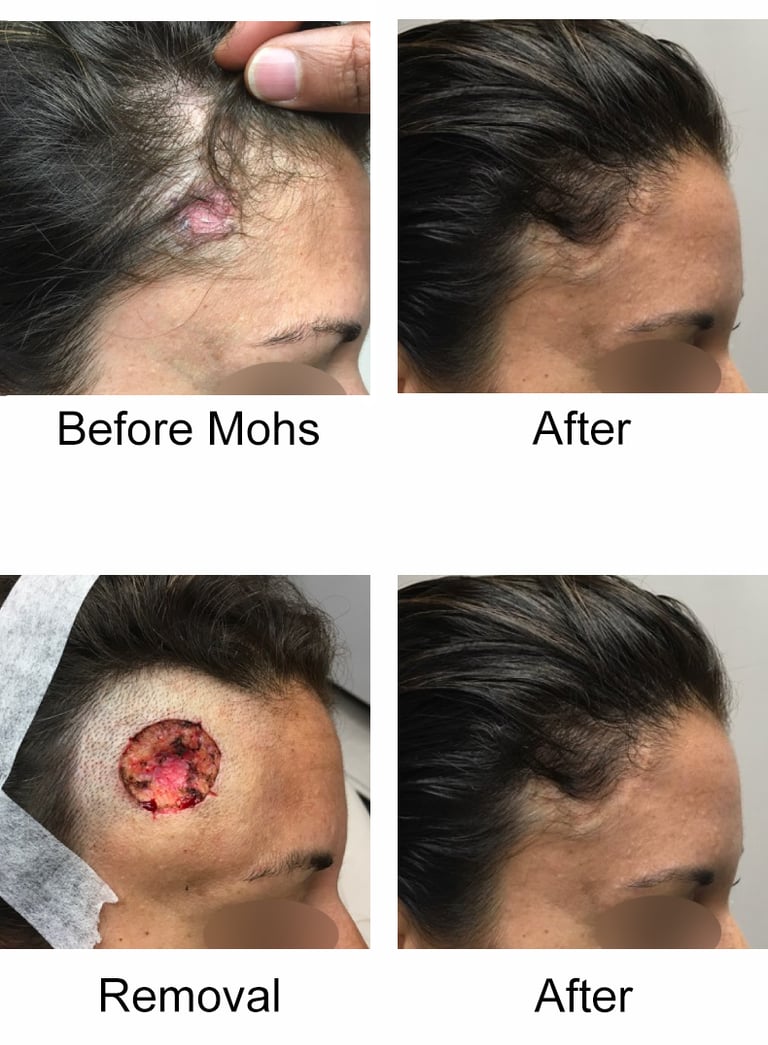

Mohs Surgery Most Effective Treatment for Skin Cancer Video
Why Choose Savannah Mohs Surgery?
Patients in Savannah often choose Mohs surgery because of its high success rate and its ability to preserve as much healthy skin as possible. The procedure is widely considered the most effective treatment for certain types of skin cancer, particularly in sensitive or high-risk areas.
High Success Rate
Mohs surgery is widely regarded as a leading treatment option for certain types of skin cancer. It offers high cure rates and long-lasting results, particularly for cancers in areas where complete removal is essential.
The procedure involves removing cancerous tissue in thin layers, with each layer examined immediately under a microscope. This method helps ensure that all cancer cells are identified and removed during the same visit.
Because of its accuracy, Mohs surgery lowers the risk of skin cancer returning compared to many other surgical treatments. For many patients, this approach provides greater confidence in their results and supports long-term skin health.
Precision and Minimal Tissue Removal
A key advantage of Mohs surgery is its precision. By targeting only cancerous tissue, the procedure preserves surrounding healthy skin. This careful approach is especially important when treating visible or sensitive areas such as the face, neck, ears, and hands.
Preserving more healthy tissue often helps reduce scarring and supports better cosmetic outcomes. It can also lower the risk of complications and contribute to a smoother healing process.
Faster Recovery
Because Mohs surgery affects less healthy tissue than traditional surgical methods, recovery is often quicker. Many patients experience less swelling and discomfort, allowing a faster return to normal daily activities.
Post-treatment care is typically straightforward, and fewer follow-up procedures may be needed. By focusing on precise cancer removal, Mohs surgery supports efficient healing and reliable long-term results.
The Mohs Surgery Process: Step by Step
Mohs surgery is a precise and effective treatment for skin cancer that focuses on removing cancerous tissue while preserving as much healthy skin as possible. This advanced dermatologic procedure is commonly used to treat skin cancers such as basal cell carcinoma and squamous cell carcinoma, as well as other types when appropriate.
By using a careful, step-by-step approach, Mohs surgery supports complete cancer removal while helping achieve the best possible cosmetic results. Understanding how the process works can help patients feel more prepared and confident when exploring skin cancer treatment options.
Pre-Surgery Consultation
The Mohs surgery process begins with a pre-surgery consultation. During this visit, a dermatologist evaluates the skin cancer and reviews the patient’s medical history.
The size, location, and type of skin cancer are carefully assessed to determine whether Mohs surgery is the most appropriate treatment. The procedure is explained in detail, including what to expect before, during, and after surgery. This visit also provides an opportunity to ask questions and discuss any concerns.
In some cases, patients may be advised to stop certain medications or make small adjustments to their skincare routine prior to surgery to support the best outcome.
Day of Mohs Surgery
On the day of the procedure, the treatment area is numbed with local anesthesia to keep the patient comfortable. Mohs surgery is performed in stages, with cancerous tissue removed in thin layers.
Each layer is examined immediately under a microscope to check for remaining cancer cells. If cancer is detected, another thin layer is removed and examined. This process continues until no cancer cells remain.
This method allows for precise cancer removal while protecting surrounding healthy skin. Once the cancer has been fully removed, options for wound repair are discussed. Depending on the size and location of the area, healing may occur naturally, stitches may be used, or a reconstructive technique such as a skin graft may be recommended.
Recovery and Aftercare
After Mohs surgery, the healing process begins right away. Patients receive clear aftercare instructions, including how to clean the area, apply ointment, and protect the skin during healing.
Mild swelling, redness, or discomfort is common and typically improves within a few days. Most patients find recovery manageable and are able to return to normal activities within one to two weeks.
Follow-up visits are often scheduled to monitor healing and ensure the treated area is recovering properly. Ongoing skin checks are also important for detecting any new or recurring skin cancers early. By following post-surgery care instructions, patients can support proper healing and long-term skin health.
Who Is a Candidate for Mohs Surgery?
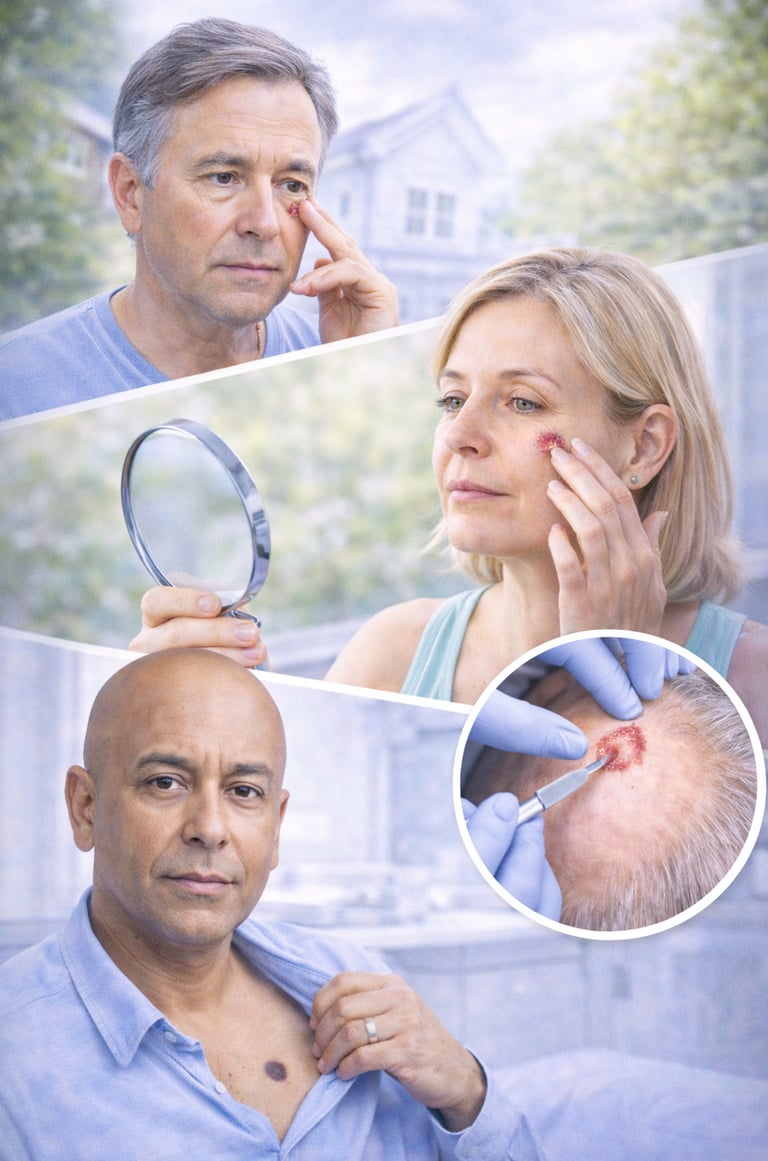
Mohs surgery is commonly recommended for people diagnosed with certain types of skin cancer. It is most often used to treat basal cell carcinoma (BCC) and squamous cell carcinoma (SCC), the two most common forms of non-melanoma skin cancer.
For patients in Savannah, this procedure is especially helpful when skin cancer develops in areas where preserving healthy tissue is important. Common locations include the face, neck, ears, scalp, and hands.
Mohs surgery may also be recommended when:
The skin cancer has a higher risk of returning
The tumor is large, aggressive, or growing quickly
The cancer has unclear or uneven borders
The skin cancer has returned after previous treatment
Because Mohs surgery removes cancer layer by layer with microscopic examination, it helps ensure complete removal while protecting as much healthy skin as possible.
Many candidates for Mohs surgery value both a high cure rate and the best possible cosmetic outcome. By targeting only cancerous tissue, this approach often helps reduce scarring and supports better healing.
Mohs surgery may also be appropriate for people with weakened immune systems, such as organ transplant recipients. Individuals with certain genetic conditions that increase the risk of skin cancer may also benefit from this precise treatment method.
When Mohs Surgery May Be Recommended
Mohs surgery is highly effective for many patients, but it is not the right choice for every type of skin cancer. Several factors are considered when determining whether Mohs surgery is appropriate.
Location of the cancer
Mohs surgery is often recommended for cancers in areas where healthy tissue preservation is important, such as the face, nose, ears, and neck. It may also be useful for cancers located in areas that are difficult to treat with standard surgical methods.
Cancer size and depth
Larger or more aggressive skin cancers may be better treated with Mohs surgery. This includes cancers that have grown deeper into the skin or returned after earlier treatment.
A dermatologist carefully reviews these factors to determine the most effective treatment approach for each individual case.
Additional Factors in Mohs Surgery Candidacy
Overall health
Overall health is an important consideration when planning Mohs surgery. Certain medical conditions may affect healing and recovery, and these factors are reviewed as part of the evaluation process.
Previous skin cancer treatment
Mohs surgery is often recommended for skin cancers that have come back after prior treatment. It may also be appropriate for individuals with a history of multiple skin cancers or an increased risk of developing new ones.
A thorough evaluation of the skin cancer’s type, size, location, and behavior—along with medical history—helps determine whether Mohs surgery is the best treatment option. If Mohs surgery is not recommended, other skin cancer treatment options may be discussed to support the best possible outcome.
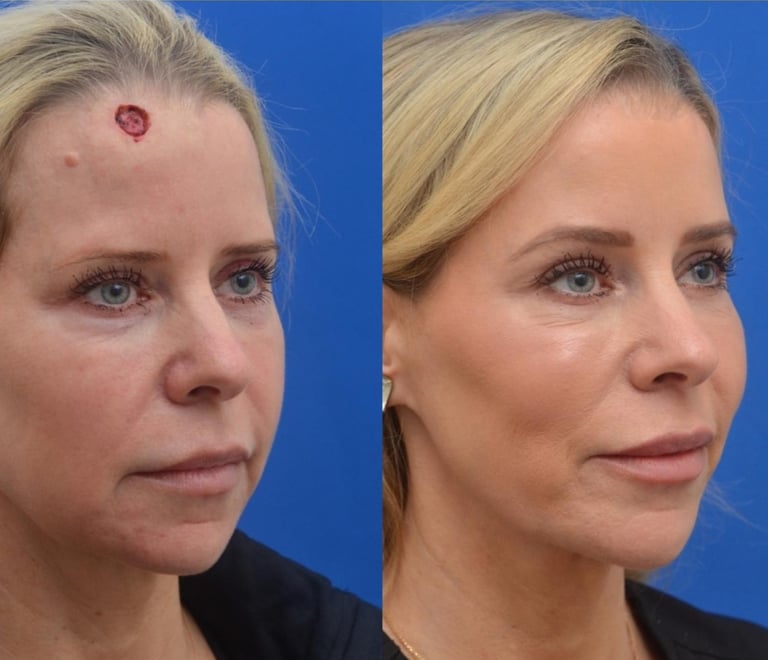
Mohs Surgery for Skin Cancer Treatment
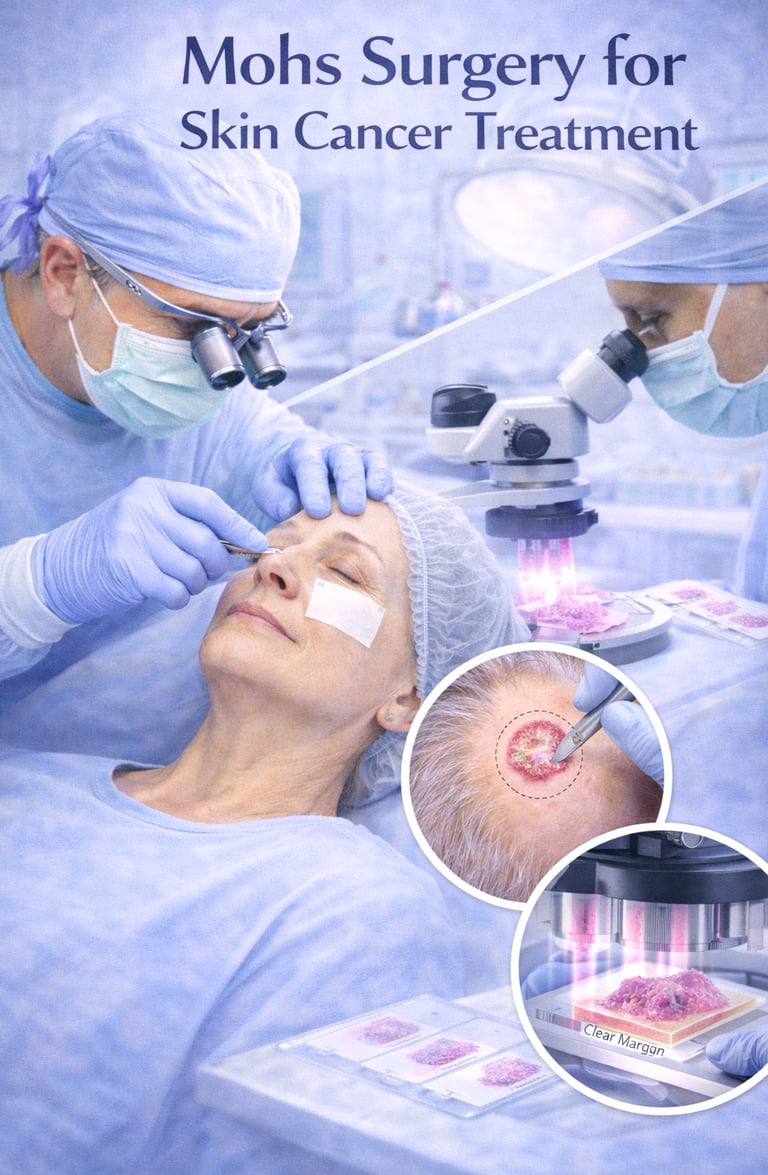
Mohs surgery is a specialized dermatologic procedure used to treat certain types of skin cancer with a high level of precision. By removing cancerous tissue layer by layer and examining each layer under a microscope, this approach helps ensure complete cancer removal while preserving as much healthy skin as possible. For patients in Savannah, Georgia, Mohs surgery is commonly recommended by dermatologists when accuracy and tissue conservation are especially important.
Basal Cell Carcinoma and Mohs Surgery
Basal cell carcinoma (BCC) is the most common type of skin cancer. It often develops after years of sun exposure and may appear as a small, shiny bump, a pink patch, or a sore that does not heal.
Although BCC typically grows slowly and rarely spreads to other parts of the body, it can invade nearby tissue if left untreated. Mohs surgery is widely considered a leading treatment option for basal cell carcinoma, particularly when it occurs on the face, ears, neck, or other visible areas.
Because Mohs surgery targets only cancerous tissue, it helps reduce the risk of recurrence while supporting better cosmetic and functional outcomes.
Squamous Cell Carcinoma and Mohs Surgery
Squamous cell carcinoma (SCC) is the second most common form of skin cancer and can be more aggressive than basal cell carcinoma if not treated early.
SCC may appear as a firm, red bump, a scaly patch, or a sore that crusts or bleeds. Mohs surgery is often recommended for squamous cell carcinoma when it occurs in higher-risk areas such as the face, ears, lips, or around the eyes.
The precision of Mohs surgery allows for thorough tumor removal while protecting surrounding healthy skin. This careful approach helps lower the risk of complications and reduces the chance of the cancer returning.
Melanoma and Other Skin Cancers
Mohs surgery is most commonly used to treat basal cell carcinoma and squamous cell carcinoma. In select cases, it may also be used to treat melanoma, particularly when the cancer is thin, has returned after previous treatment, or is located in an area where preserving healthy tissue is critical.
Melanoma is a more aggressive type of skin cancer and can spread quickly if not detected early. While Mohs surgery is not always the first treatment choice for melanoma, it may be considered in specific situations where standard surgical methods may not offer enough precision.
Mohs surgery can also be effective for rare or aggressive skin cancers that are difficult to treat with traditional techniques. A careful evaluation of the cancer’s type, size, location, and behavior helps determine whether Mohs surgery is an appropriate treatment option.
Overall, Mohs surgery offers high success rates while preserving healthy skin. It is especially valuable for treating skin cancers in sensitive or highly visible areas, helping support both effective treatment and favorable cosmetic outcomes.
Benefits of Choosing a Mohs Surgeon Serving Savannah
Choosing a Mohs Surgeon in Savannah
When exploring Mohs surgery options in the Savannah area, experience and specialized training are important factors to consider. Mohs surgeons are dermatologists with advanced training in the precise removal of skin cancer using the Mohs technique.
This specialized expertise is especially valuable when treating skin cancers in delicate or highly visible areas such as the face, ears, and neck. Advanced training allows complex cases to be treated with accuracy while preserving as much healthy skin as possible.
Access to an experienced Mohs surgeon serving Savannah can provide added confidence in skin cancer treatment. This level of specialization supports complete cancer removal, lowers the risk of recurrence, and helps achieve favorable cosmetic outcomes.
Advanced Technology in Mohs Surgery
Mohs surgery relies on advanced technology to achieve precise results. Specialized microscopes are used to examine each layer of tissue during the procedure, allowing cancer cells to be identified and removed in real time.
This technology helps ensure that only cancerous tissue is removed while healthy skin is preserved. As a result, many patients experience improved healing and reduced scarring compared to less targeted surgical methods.
Modern wound-closure and reconstruction techniques are also commonly used following Mohs surgery. These methods support proper healing and help improve cosmetic results after treatment.
Choosing care that incorporates current technology and modern surgical techniques helps support high-quality, up-to-date skin cancer treatment.
Local, Patient-Focused Care
Receiving Mohs surgery close to home can make the treatment process more convenient and manageable. Care provided in the Savannah area allows easier access to consultations, surgery appointments, and follow-up visits.
Local care also supports a more individualized treatment experience. Factors such as skin type, medical history, and personal priorities are considered when planning treatment and recovery.
Convenient access to follow-up care can reduce stress and support a smoother recovery process. Whether treating basal cell carcinoma, squamous cell carcinoma, or another form of skin cancer, Mohs surgery services available in the Savannah area are designed to support effective treatment and long-term skin health.
Preparing for Your Mohs Surgery
Preparing for Mohs surgery can help the procedure go smoothly and support proper healing. Patients considering Mohs surgery in the Savannah area are typically given clear instructions ahead of time. Below are common preparation steps that may be recommended before treatment.
Medication Adjustments
Certain medications, including blood thinners, vitamins, or supplements, may increase the risk of bleeding. In some cases, temporary adjustments may be advised before surgery. It is important to share a complete list of medications and supplements during the evaluation process.
Avoid Smoking
Smoking can slow healing and increase the risk of complications after skin cancer treatment. Stopping smoking several weeks before and after Mohs surgery can support better recovery and overall skin health.
Following preparation guidelines can help improve surgical outcomes and reduce recovery time.
Fasting
Mohs surgery is most often performed using local anesthesia. If sedation is planned, avoiding food or drinks for a specific period before surgery may be recommended. Any fasting instructions are typically reviewed in advance.
Arrange Transportation
Although many patients feel well after Mohs surgery, some may experience fatigue. Arranging transportation to and from the appointment can be helpful, especially if sedation is used.
Skin Care on Surgery Day
On the day of surgery, it is generally advised to avoid wearing makeup, lotions, perfumes, or skincare products near the treatment area. Keeping the skin clean and free of products helps support a safe procedure.
Any additional preparation steps are usually discussed ahead of time to ensure patients feel ready and informed.
What to Expect on Surgery Day
Arrival and Check-In
On surgery day, patients typically arrive at a surgical center or medical office and complete a brief check-in process. Medical history is reviewed, and any remaining questions are addressed before the procedure begins.
Anesthesia
Mohs surgery is usually performed with local anesthesia, which numbs the treatment area while allowing the patient to remain awake. This approach helps keep discomfort minimal. In some cases, mild sedation may be used to support relaxation.
The Procedure
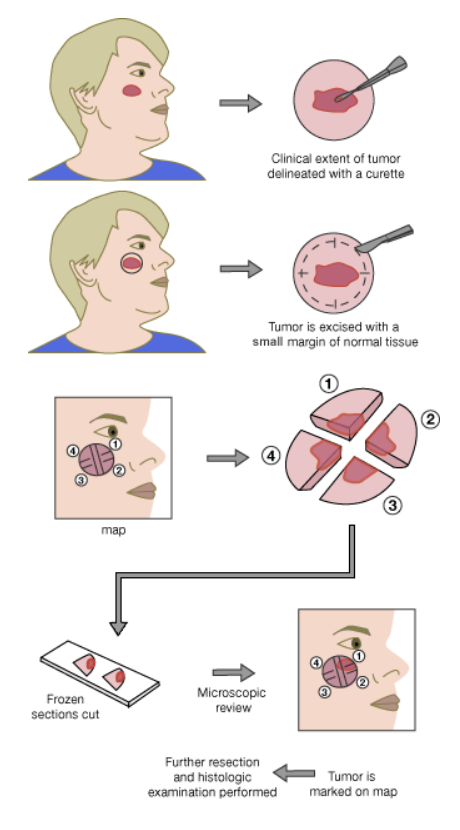
Mohs surgery is performed in stages. A thin layer of skin containing the cancer is removed and examined under a microscope right away. If cancer cells remain, another thin layer is removed and examined. This process continues until no cancer cells are detected.
Recovery Area
After the cancer is fully removed, the treated area is cleaned and bandaged. Depending on the size and location of the skin cancer, Mohs surgery may take several hours, so planning to spend a few hours at the facility is recommended.
Post-Surgery Care
Before leaving, patients receive clear aftercare instructions for wound care at home, along with information about follow-up visits to monitor healing.
By understanding how to prepare and knowing what to expect on surgery day, patients can feel more comfortable throughout the Mohs surgery process and better support a smooth recovery.
Recovery and Aftercare Tips
Wound Care Guidance
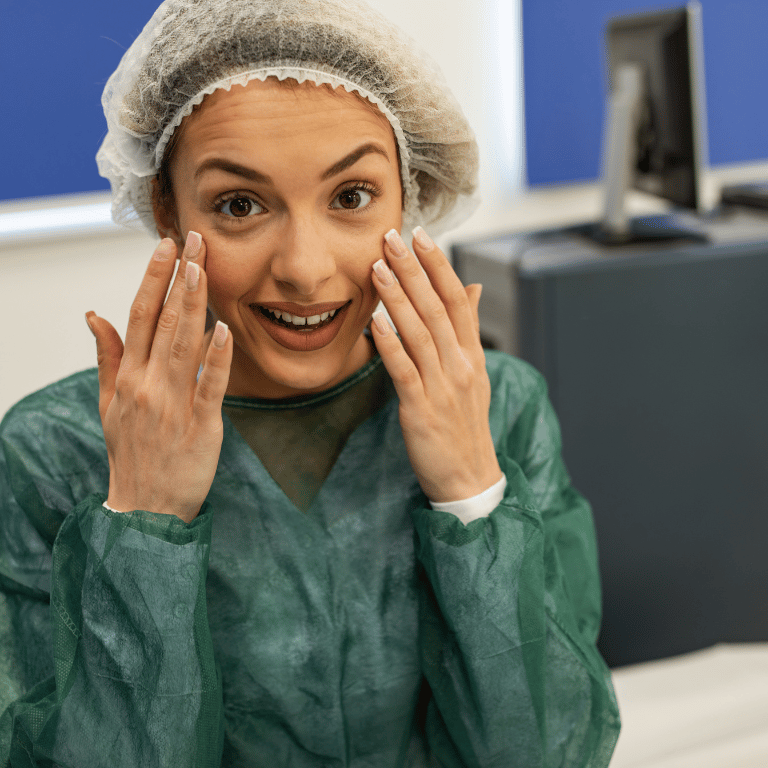
Proper wound care after Mohs surgery plays an important role in healing and infection prevention. While individual instructions may vary, the general steps below are commonly recommended following skin cancer treatment.
Keep the area clean
Gently clean the area around the surgical site using mild soap and water. Avoid scrubbing, which can irritate healing skin. Cleaning should be done carefully and only as directed.
Apply medication as directed
An antibiotic or healing ointment may be recommended to help prevent infection and support proper healing. Using these products as instructed can help protect the surgical site during recovery.
Good wound care helps support a smooth healing process and lowers the risk of complications.
Dressings and bandages
Dressings or bandages should remain in place for the recommended amount of time. Change them only as directed, and replace them promptly if they become wet or dirty. Removing bandages too early can interfere with healing.
Avoid scratching or rubbing
Itching is common as the skin heals, but scratching or rubbing the area can slow recovery and increase the risk of infection. Touch the area only when cleaning or applying ointment.
Consistent wound care helps protect healing skin and supports optimal recovery.
Follow-Up Appointments
Follow-up visits are an important part of recovery after Mohs surgery. These appointments typically take place within the first week following the procedure and help ensure proper healing.
During follow-up visits, the treated area may be evaluated for:
Signs of infection, such as redness, swelling, or unusual drainage
Healing progress, including wound closure and tissue repair
Next steps, such as continued care instructions or additional treatment if needed.
Attending follow-up appointments allows potential concerns to be addressed early and supports the best possible outcome.
Scar Care and Healing
Mohs surgery is designed to preserve healthy skin, but some scarring can still occur, especially in visible or sensitive areas. With proper care, most scars gradually fade and become less noticeable over time.
Protect the area from the sun
Sun exposure can darken scars and affect healing. Using broad-spectrum sunscreen with SPF 30 or higher or covering the area with clothing helps protect healing skin, particularly during the first few months after surgery.
Keep the area moisturized
Moisturizing the surgical site supports healing and can help reduce scarring. Specific ointments or creams may be recommended during recovery.
Avoid smoking
Smoking can slow healing and increase the risk of noticeable scarring. Avoiding smoking during recovery supports healthier skin repair.
Gentle massage
Once the wound has fully healed, gentle massage may help soften scar tissue and improve skin texture. This should only be done after healing is complete.
Be patient
Healing takes time, and scars often continue to improve for several months. If concerns about scar appearance arise, additional treatment options may be discussed.
By following recommended aftercare steps, patients can support proper healing, reduce scarring, and enjoy the long-term benefits of successful skin cancer treatment.



Postoperative Care for Mohs Surgery Video
Savannah Mohs Surgery Frequently Asked Questions FAQ's
Is “Moze surgery” the same as Mohs surgery?
Yes. “Moze surgery” or “Moz surgery” are common misspellings of Mohs surgery. All of these terms refer to the same procedure.
Mohs surgery is named after the physician who developed this precise and highly effective skin cancer treatment. The technique is widely used by dermatologists to remove skin cancer while preserving as much healthy skin as possible.
How long does Mohs surgery take?
The length of Mohs surgery varies depending on the size, location, and complexity of the skin cancer. Most procedures take one to several hours.
Mohs surgery is performed in stages. Thin layers of skin are removed and examined under a microscope. If cancer cells are still present, additional layers are removed. Because of this step-by-step process, there may be waiting periods between stages.
A general time estimate is usually discussed in advance, but exact timing can vary from person to person.
Will Mohs surgery leave a scar?
Like any surgical procedure, Mohs surgery does result in a scar. The size and appearance of the scar depend on the size and location of the skin cancer.
One of the key benefits of Mohs surgery is that it removes only cancerous tissue, helping preserve healthy skin. This approach often reduces scarring compared to less precise surgical methods.
Over time, most scars fade and become less noticeable. Proper aftercare and sun protection can help support optimal healing.
What are the risks of Mohs surgery?
Mohs surgery is considered a safe and effective treatment for skin cancer. As with any surgical procedure, some risks are possible, including:
Infection: Uncommon, but possible at the surgical site
Bleeding: Mild bleeding may occur and is usually manageable
Scarring: Some scarring is expected, particularly with larger lesions
Cancer recurrence: Rare, but possible despite high cure rates
These risks are generally low, and following post-procedure care instructions helps reduce complications.
How painful is Mohs surgery?
Mohs surgery is typically performed using local anesthesia, which numbs the treatment area. Most patients experience little to no pain during the procedure.
Some pressure or mild discomfort may be felt. After surgery, soreness is usually mild and can often be managed with over-the-counter pain relief.
Can I drive myself home after Mohs surgery?
Many patients are able to drive themselves home after Mohs surgery, particularly when only local anesthesia is used.
However, arranging transportation may be recommended if sedation is involved or if the surgical area affects vision or comfort. Planning ahead can help ensure a smooth recovery day.
What happens if the cancer is not fully removed?
Mohs surgery is designed to remove skin cancer completely. If cancer cells are detected after the first layer is removed, additional layers are taken and examined.
This process continues until no cancer cells remain. The ability to examine tissue immediately during surgery is what gives Mohs surgery its high cure rate.
Can Mohs surgery treat all types of skin cancer?
Mohs surgery is most commonly used to treat basal cell carcinoma and squamous cell carcinoma, the two most common non-melanoma skin cancers.
In some cases, it may also be used for certain melanomas or rare skin cancers. Whether Mohs surgery is appropriate depends on the type, size, and location of the cancer.
What should be avoided after Mohs surgery?
To support proper healing after Mohs surgery, patients are often advised to avoid:
Sun exposure: Use sunscreen and protective clothing
Strenuous activity: Exercise and heavy lifting may delay healing
Smoking: Smoking can interfere with wound healing
Following post-procedure instructions helps reduce complications and improve cosmetic outcomes.
Can Mohs surgery be used for large skin cancers?
Yes. Mohs surgery can be used to treat larger skin cancers, although these cases may take longer and require more extensive reconstruction.
Healing time and outcomes vary based on the size and location of the cancer.
What are the alternatives to Mohs surgery?
While Mohs surgery is one of the most effective skin cancer treatments, other options may be recommended depending on the situation, including:
Excisional surgery
Cryotherapy
Radiation therapy
Topical prescription treatments
The best treatment option depends on individual factors and should be determined in consultation with a qualified medical professional.
Is there a Mohs surgeon or dermatologist near me in Savannah who treats skin cancer?
Yes. Patients in Savannah, Georgia have access to board-certified dermatologists and Mohs surgeons who specialize in treating skin cancer.
This website provides educational information to help you understand Mohs surgery and what to look for when choosing a qualified provider in your area. For diagnosis or treatment, it’s important to consult directly with a licensed dermatologist or Mohs surgeon.
Request a Mohs Consultation


Serving Savannah and Surrounding Areas
Moze Surgery or Mohs Surgery: What’s the Difference?
If you searched for “Moze surgery” in Savannah, you’re not alone. Many people accidentally type “Moze” when they are actually looking for Mohs surgery.
Mohs surgery is a specialized and highly effective treatment for skin cancer. The name comes from Dr. Frederic Mohs, who developed this precise technique. “Moze” is simply a common misspelling—both terms refer to the same procedure.
We proudly offer expert Mohs surgery in Savannah, GA, providing accurate treatment with a focus on preserving healthy skin and achieving the best possible results.
If you have questions or want to learn more, our team is here to help guide you every step of the way.
Patient Resource:
Explore the Mohs Surgery Process
Knowing what to expect before and after Mohs surgery can help you feel more prepared and confident about your care.
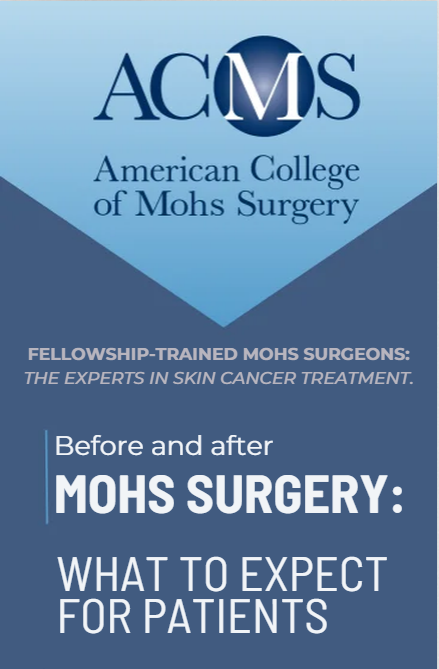
The American College of Mohs Surgery offers a helpful digital flipbook designed for patients. This resource explains common post-surgery experiences, outlines the healing process, and answers frequently asked questions in a clear and easy-to-understand way.
We encourage you to explore this resource to better understand your recovery and feel more comfortable as you prepare for Mohs surgery.
What You’ll Learn in the Patient Flipbook
In this easy-to-follow patient flipbook, you’ll learn about:
What to expect before and after Mohs surgery
Common healing stages and post-surgery experiences
Helpful tips for a smooth and healthy recovery
How to properly care for your surgical site
Answers to frequently asked patient questions
When to contact your surgeon after surgery
This resource is designed to help you feel informed, prepared, and confident throughout your Mohs surgery journey.
Copyright © 2026 | Savannah Mohs Surgery | All Rights Reserved.
Privacy Policy | Terms and Conditions | Accessibility
Monday: 8:00am - 5:00pm
Tuesday: 8:00am - 5:00pm
Wednesday: 8:00am - 5:00pm
Thursday: 8:00am - 5:00pm
Friday: 8:00am - 5:00pm
Office Hours
Learn More
Reach Out
Resources
Address
Request Consultation
Call Now
(704) 858-6585
Savannah Mohs Surgery
Serving Savannah, GA and Surrounding areas.

